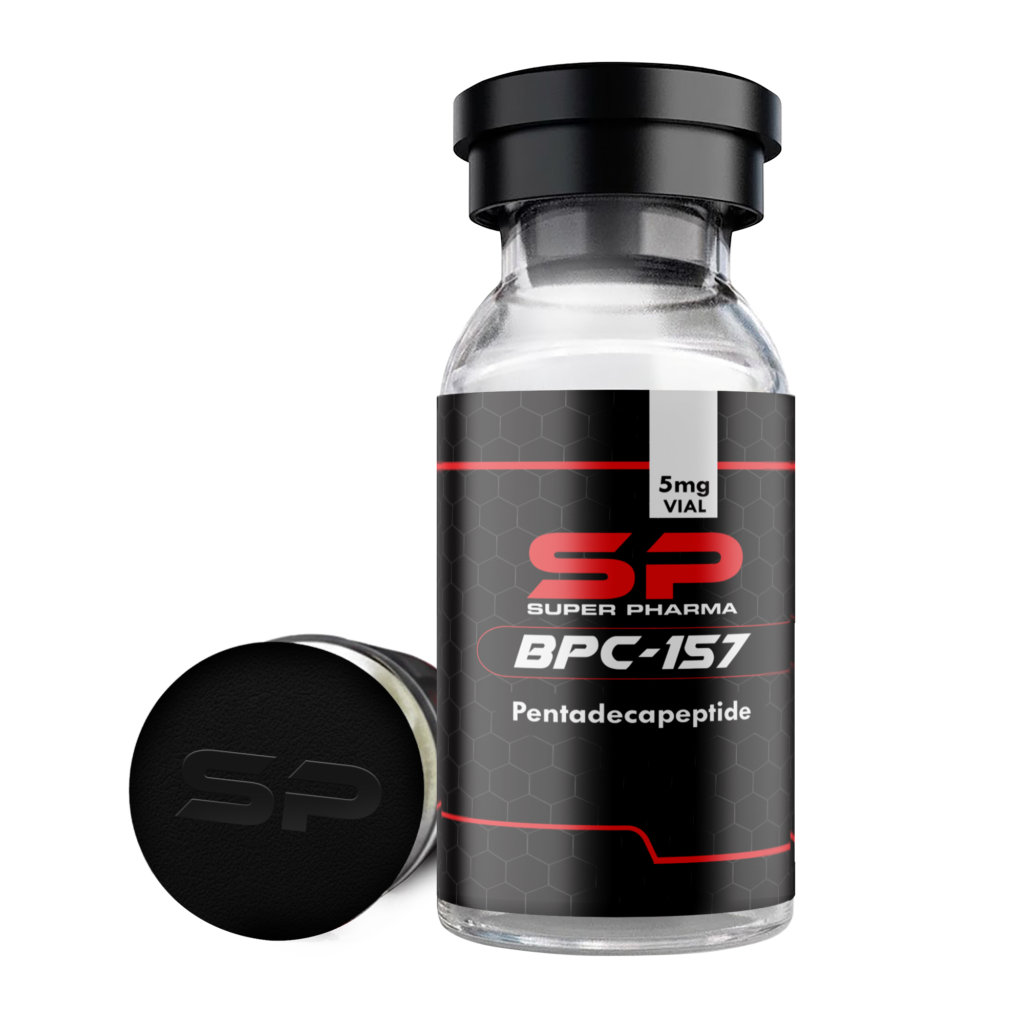
BPC-157 is a peptide that is a partial sequence of body protection compound that is derived from human gastric juice. Research shows that BPC-157 heightens the healing of many different types of tissue from tendon, muscle, and the nervous system. It can also increase blood flow back to injured sites, protect organs, prevent stomach ulcers and heal skin burns.
₹3,199
₹1,600
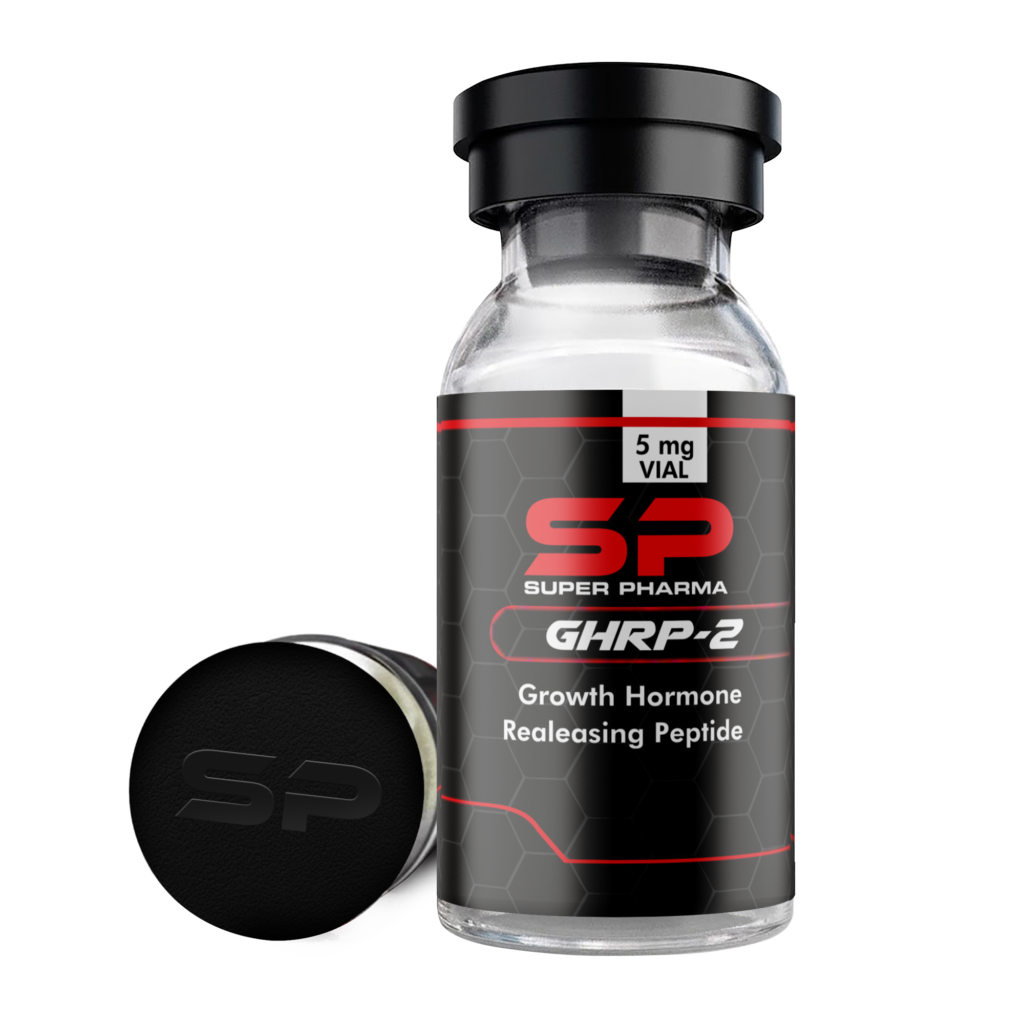
₹1,800
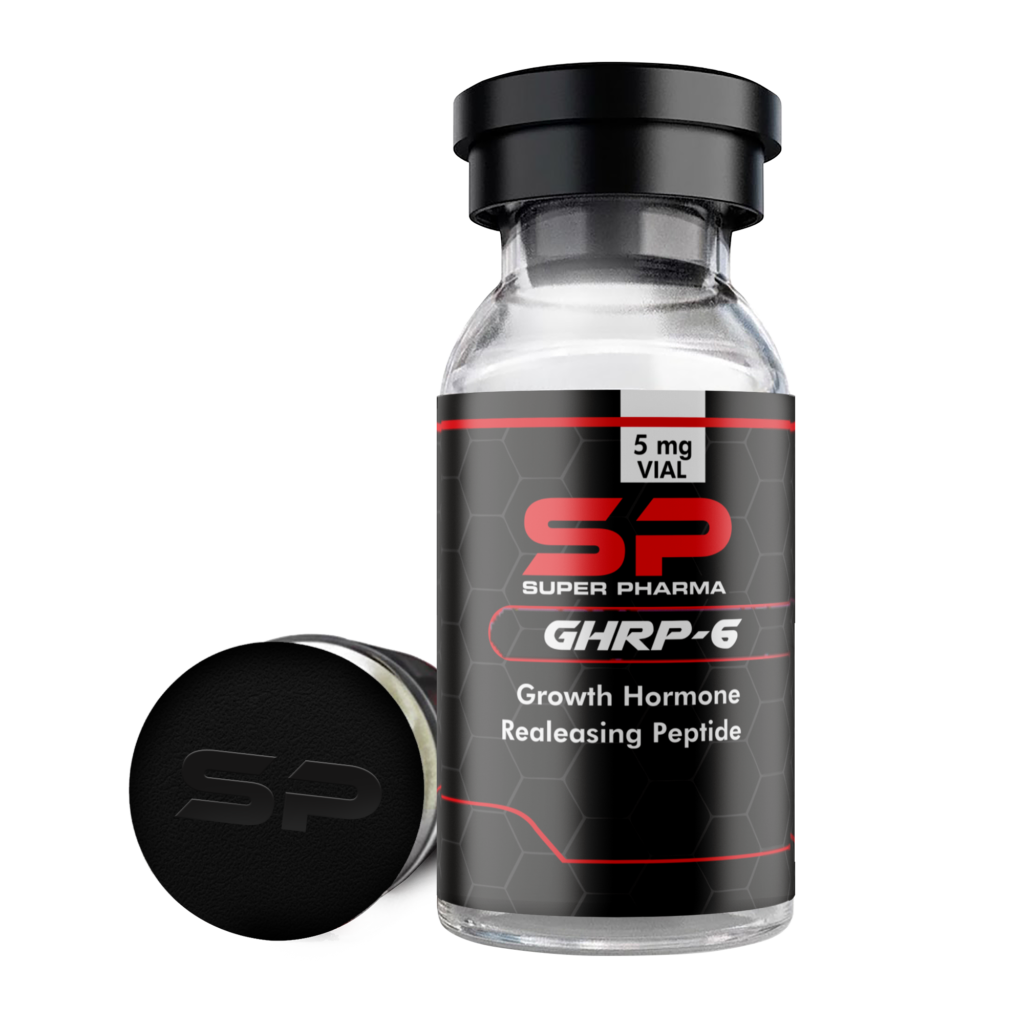
Careful, this Growth-Hormone-Releasing-Peptide will make you HUNGRY! If you don’t want this, stick with a different GHRP (GHRP-2, hexarelin, or ipamorelin).
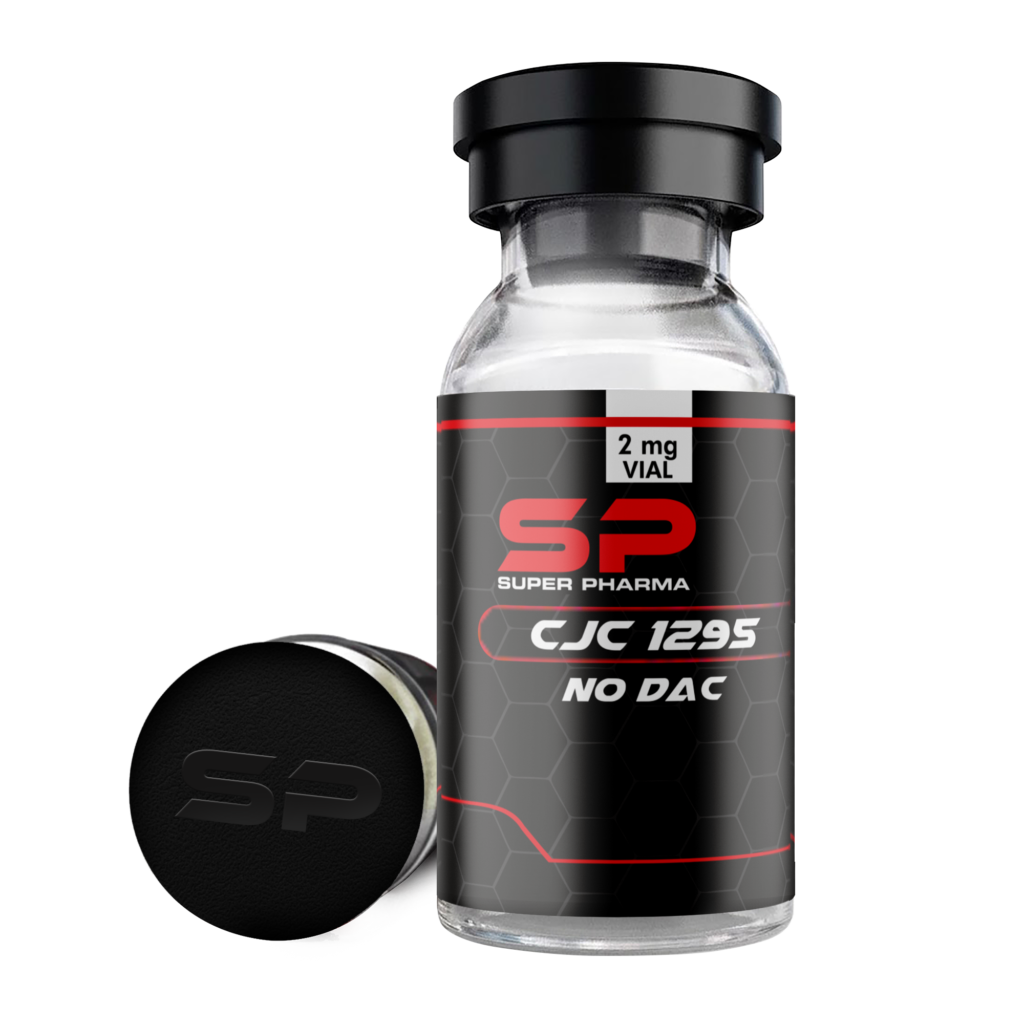
For optimum results, stack this with a GHRH product (MOD GRF 1-29 or CJC 1295).
₹1,899
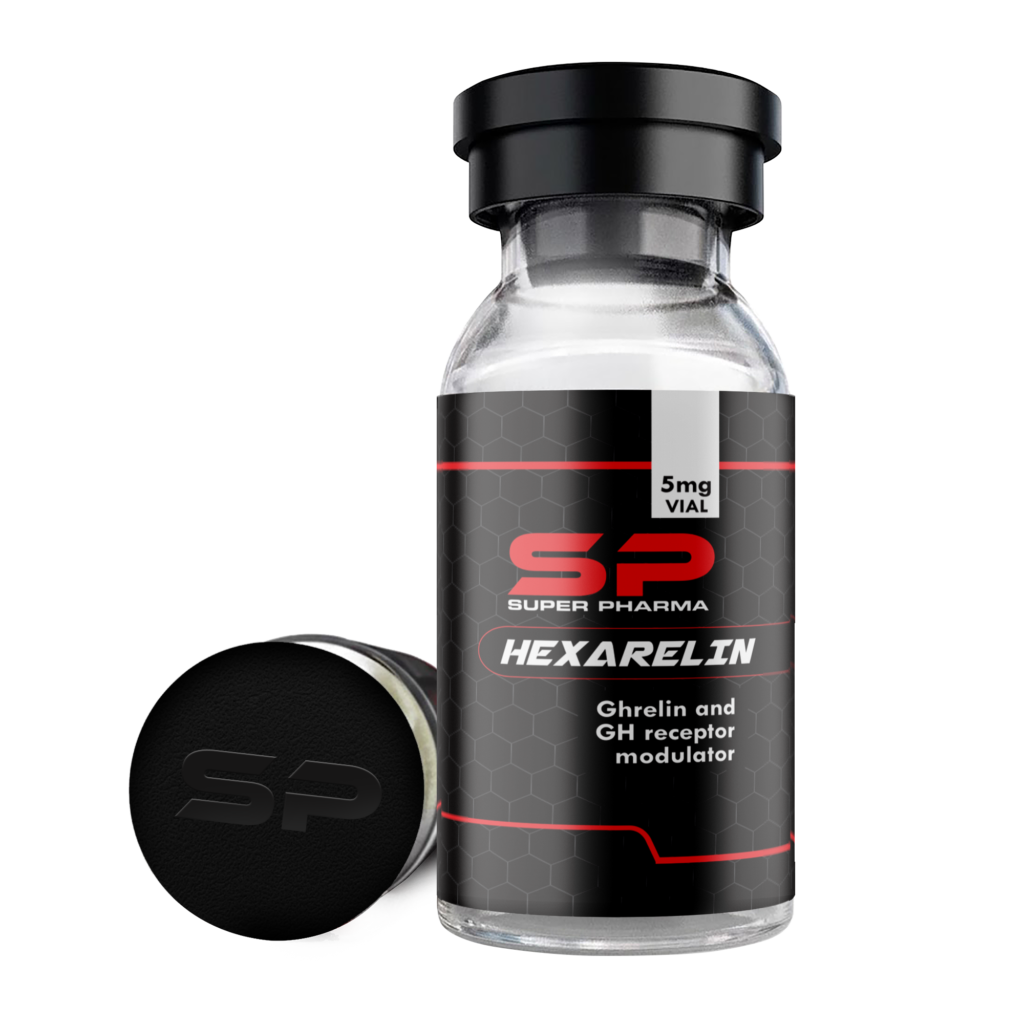
Hexamorelin (INN) (developmental code names EP-23905, MF-6003), also known as hexarelin, is a potent, synthetic, peptidic, orally-active, centrally-penetrant, and highly selective agonist of the ghrelin/growth hormone secretagogue receptor (GHSR) and a growth hormone secretagogue which was developed by Mediolanum Farmaceutici. It is a hexapeptide with the amino acid sequence His-D-2-methyl-Trp-Ala-Trp-D-Phe-Lys-NH2 which was derived from GHRP-6. These GH-releasing peptides have no sequence similarity to ghrelin, but mimic ghrelin by acting as agonists at the ghrelin receptor.
Examorelin substantially and dose-dependently increases plasma levels of growth hormone (GH) in animals and humans. In addition, similarly to pralmorelin (GHRP-2) and GHRP-6, it slightly and dose-dependently stimulates the release of prolactin, adrenocorticotropic hormone (ACTH), and cortisol in humans. There are conflicting reports on the ability of examorelin to elevate insulin-like growth factor 1 (IGF-1) and insulin-like growth factor-binding protein 1 (IGFBP-1) levels in humans, with some studies finding no increase and others finding a slight yet statistically significant increase. Examorelin does not affect plasma levels of glucose, luteinizing hormone (LH), follicle-stimulating hormone (FSH), or thyroid-stimulating hormone (TSH) in humans.
Examorelin releases more GH than does growth hormone-releasing hormone (GHRH) in humans, and produces synergistic effects on GH release in combination with GHRH, resulting in “massive” increases in plasma GH levels even with only low doses of examorelin. Pre-administration of GH blunts the GH-releasing effect of examorelin, while, in contrast, fully abolishing the effect of GHRH. Pre-treatment with IGF-1 also blunts the GH-elevating effect of examorelin.[17] Testosterone, testosterone enanthate, and ethinylestradiol, though not oxandrolone, have been found to significantly potentiate the GH-releasing effects of examorelin in humans. In accordance, likely due to increases in sex steroid levels, puberty has also been found to significantly augment the GH-elevating actions of examorelin in humans.
₹3,999
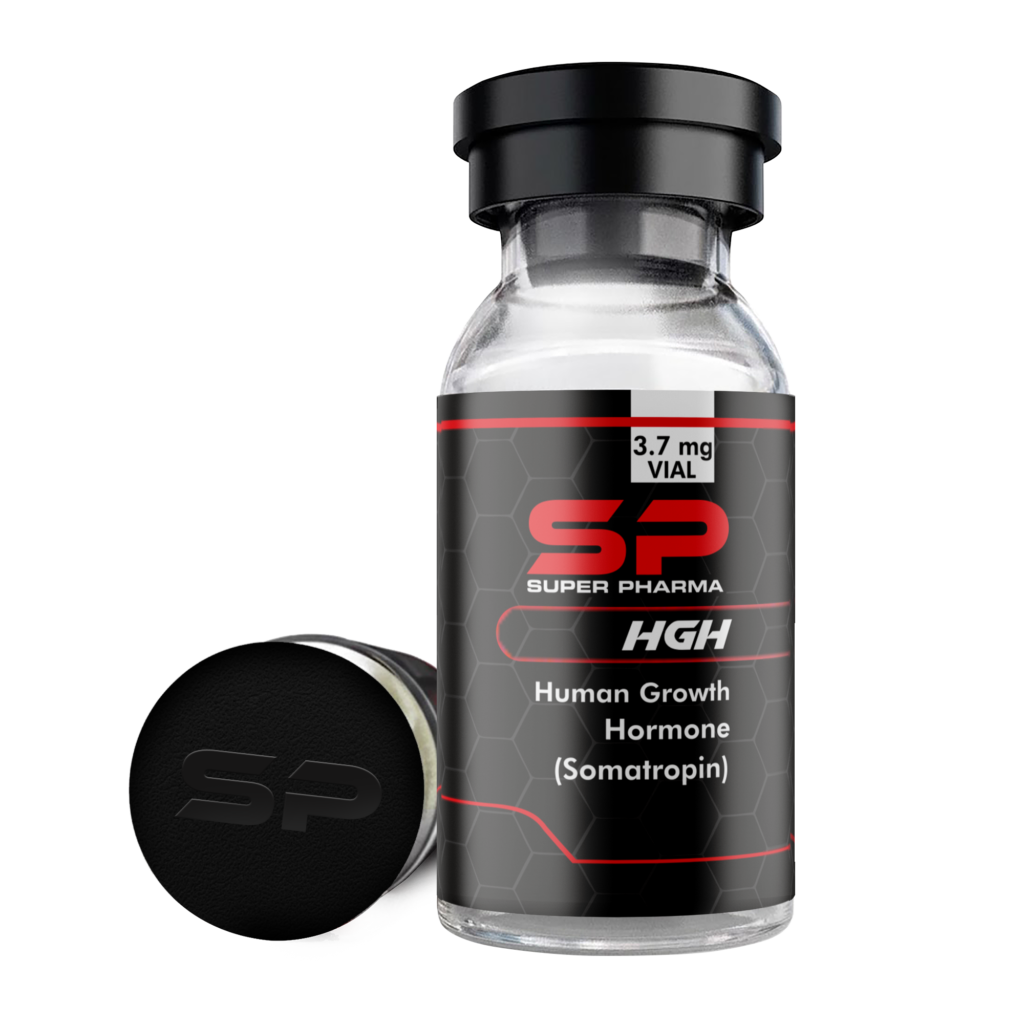
₹2,299
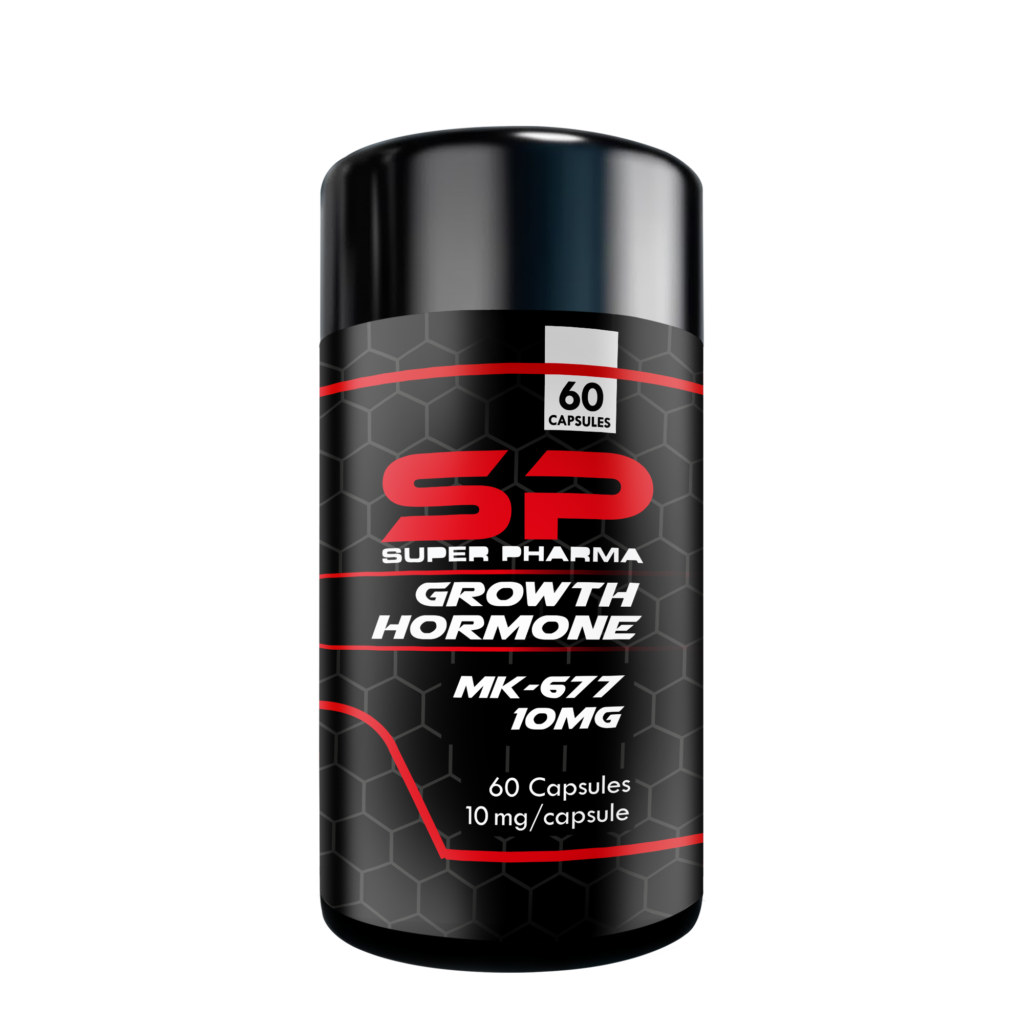
Ibutamoren (developmental code names MK 677, MK 0677, L-163,191; former tentative brand name Oratrope) is a potent, long-acting, orally-active, selective, and non-peptide agonist of the ghrelin receptor and a growth hormone secretagogue, mimicking the growth hormone (GH)-stimulating action of the endogenous hormone ghrelin. It has been shown to increase the secretion of several hormones including GH and insulin-like growth factor 1 (IGF-1) and produces sustained increases in the plasma levels of these hormones without affecting cortisol levels.
₹4,298
₹1,799
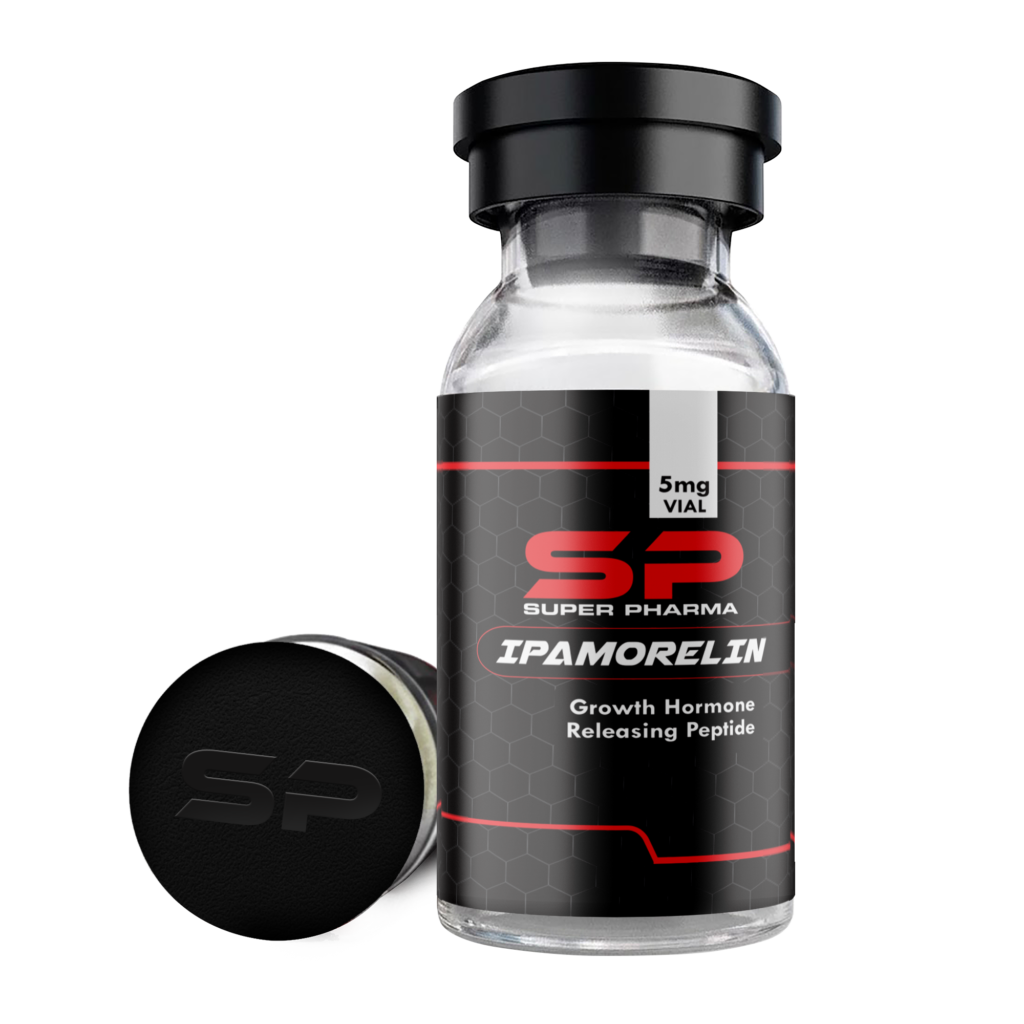
Ipamorelin is a 3rd generation GHRP behind GHRP-6 and GHRP-2. Ipamorelin has very similar characteristics of GHRP-2: does not have ghrelin’s lipogenic properties and does not promote hunger. Ipamorelin acts synergistically when applied during a Growth Hormone Releasing Hormone (GHRH) pulse or when it is administered along with a GHRH or an analog such as Sermorelin or Modified GRF 1-29 (growth releasing factor, aminos 1-29). The synergy comes both due to the suppression of somatostatin and the fact that ipamorelin increases GH release per-somatotrope, while GHRH increases the number of somatotropes releasing GH. On the other hand, Ipamorelin is similar to GHRP-6 because they both release GH at a very similar strength minus the side effects that of GHRP-6. Both GHRP-6 and GHRP-2 cause a release and an increase in cortisol and prolactin levels, however Ipamorelin only selectively releases GH at any dose. Ipamorelin shares similar functionality to Hexarelin and compared to other peptides, it is a much more stable form of ghrelin and has longer half-life periods of at least two hours long and causes secondary effect by making neurons to become excited.
Because of the way in which Ipamorelin works to stimulate the secretions relating to growth and repair, scientific study based on animal test subjects has derived a host of theorized benefits in relation to the peptide. These theorized benefits include a strengthening of bone mass, an improvement in skin tone, a boost in the burning of adipose tissue, a strengthening of connective tissue, and a strengthening and rejuvenation of joints. Due to the nature of these theorized benefits, some scientific studies have been able to determine that the peptide could play a vital role in the overall slowing down of the aging process.
₹3,299
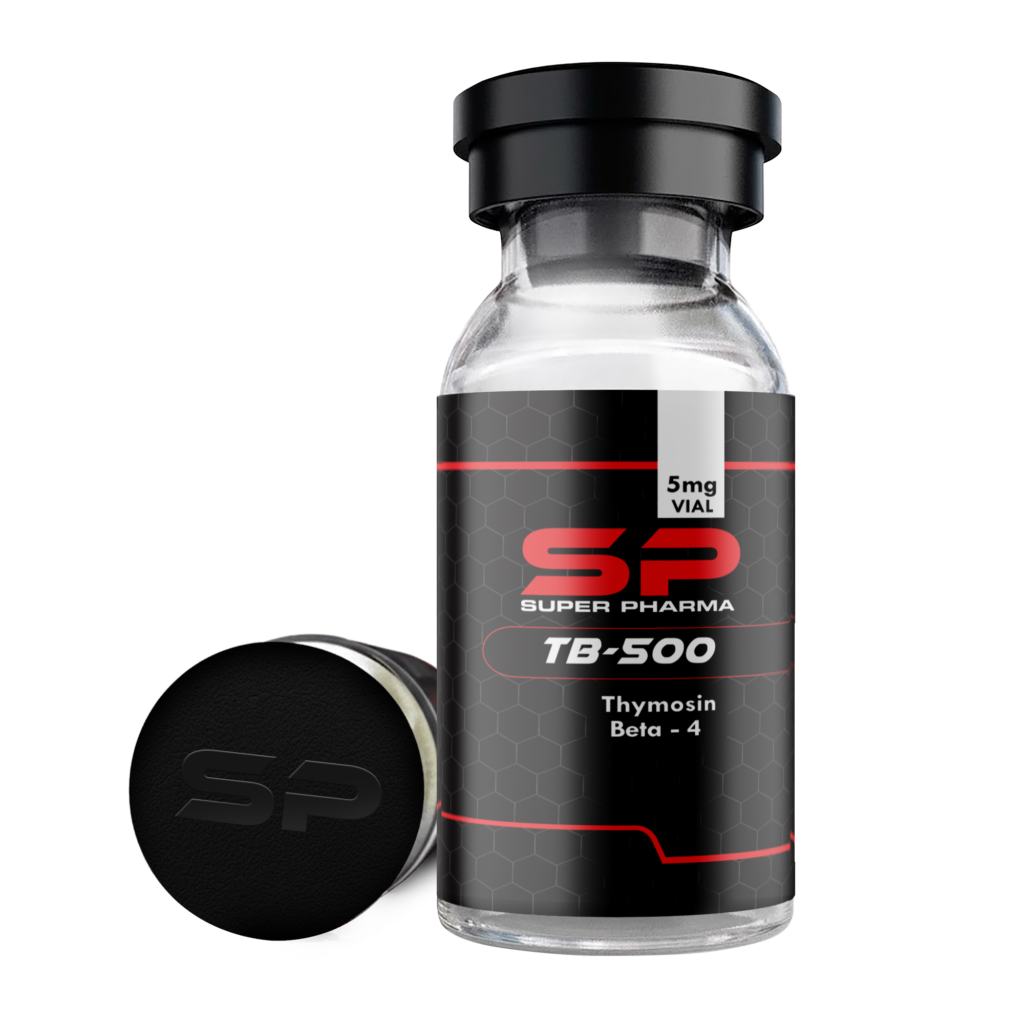
TB-500, also known as Thymosin Beta-4, is a naturally occurring peptide present in almost all animal and human cells. This powerful peptide promotes healing, enhances strength, flexibility and endurance, reduces inflammation of tissue in joints, and encourages hair growth.
Research has shown that TB-500 substantially aids in the recovery and healing of injuries that would typically take months to heal, such as tendonitis, ligament damage, and fractures. Its regenerative properties have also been recognized in various kinds of heart tissue.
TB-500 is not only effective in athletes for its injury recovery and performance-enhancing properties but also among those suffering from acute and chronic injuries or disease. It offers potential help for individuals looking to promote wound healing, decrease inflammation, and recover faster from surgeries or illnesses.
₹3,899
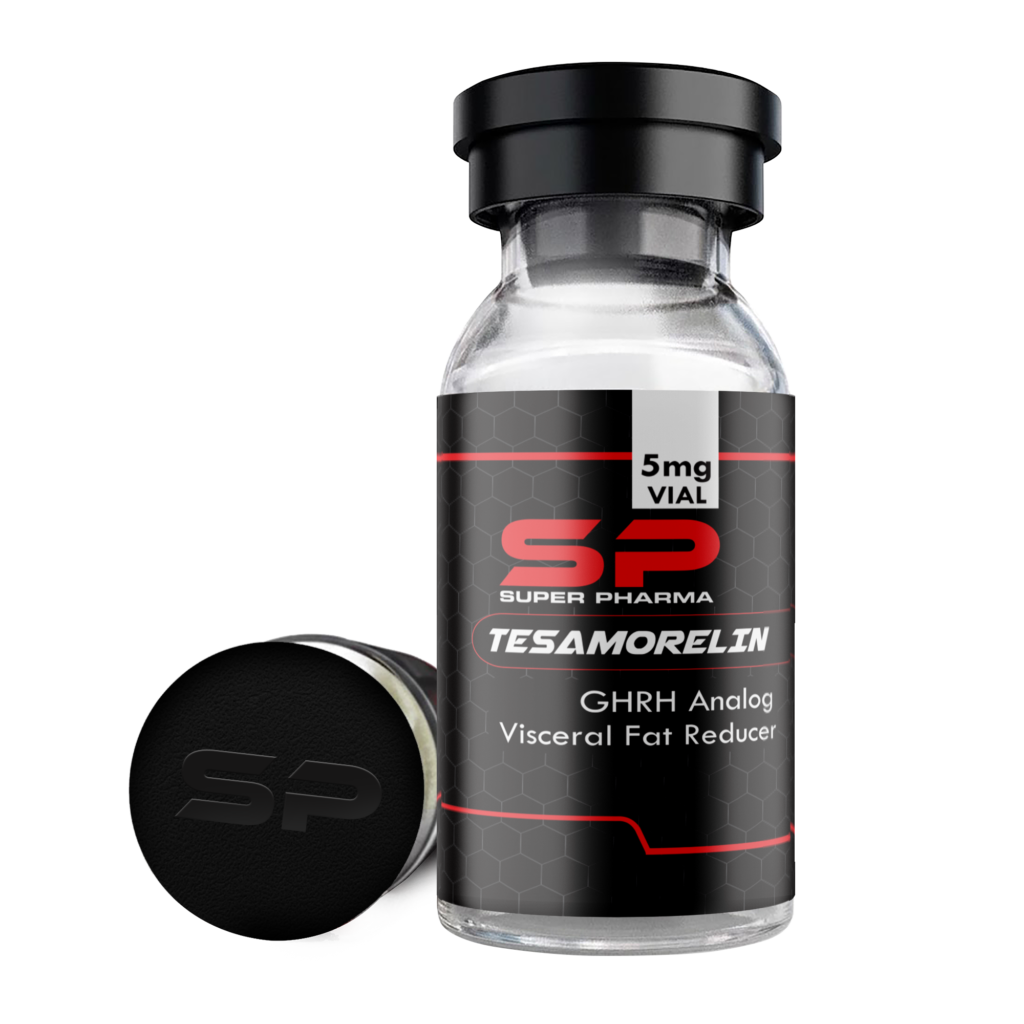
Tesamorelin is a synthetic growth hormone releasing hormone analogue used in the treatment of visceral adiposity in human immunodeficiency virus (HIV) infected patients with lipodystrophy. Tesamorelin is given subcutaneously and has major effects on glucose and lipid metabolism, but has not been linked to serum aminotransferase elevations during therapy or to instances of clinically apparent acute liver injury.
Tesamorelin (tes” a moe rel’ in) is a synthetic 44 amino acid polypeptide analogue of growth hormone releasing hormone (GHRH). The N terminal portion of the molecule has been modified to improve its stability and pharmacokinetics in comparison to native GHRH. Tesamorelin activates GHRH receptors in the pituitary which leads to synthesis and release of growth hormone that acts on multiple cells of the body including hepatocytes where it stimulates production of insulin like growth factor-1 (IGF-1). IGF-1 mediates many of the effects of growth hormone, which in the liver include growth, inhibition of programmed cell death, glucose update and lipolysis. Serum IGF-1 levels tend to be low in patients with obesity, diabetes and particularly in those with lipodystrophy. Tesamorelin was evaluated and found to be effective in decreasing visceral adiposity in patients with lipodystrophy associated with antiretroviral therapy of human immunodeficiency virus (HIV) infection. Tesamorelin was approved for use in the United States as therapy to reduce excess abdominal fat in HIV-infected patients with antiviral therapy-related lipodystrophy in 2010. Tesamorelin is also being evaluated as therapy of insulin resistance, obesity and nonalcoholic fatty liver. Tesamorelin is available in solution in vials of 1 mg/mL under the brand name Egrifta. The recommended dose is 2 mg daily given by subcutaneous injection. Side effects are not common but can include injection site reactions, itching, arthralgia, myalgia and peripheral edema. Tesamorelin raises IGF-1 levels and monitoring for elevations during therapy is recommended. Potential, rare adverse events include stimulation of malignant tumor growth, glucose intolerance, diabetes and hypersensitivity reactions.
₹5,800 Original price was: ₹5,800.₹5,099Current price is: ₹5,099.
The information on this website has not been evaluated by the US Food and Drug Administration. Our statements and products are not intended to diagnose, treat, cure, or prevent any disease.
All products on this website are sold for research, laboratory, or analytical use ONLY — they are not meant for human consumption.
By clicking "I Agree", you confirm that you are 18 years or older and you accept our Terms & Conditions.